
Charging that fits into your journey
Traveling by electric car has never been easier, as long as you choose the right destination. Because today, a successful charging experience is no longer just about finding a charging station. What really matters is being able to recharge easily, at the right time and without disrupting your schedule.
Whether you are on a weekend, on vacation or on a business trip, no one wants to waste time looking for an available station or making a detour of several kilometers.
This is precisely what the Bornage Recharge Score measures. More than a simple ranking of the number of stations, it evaluates the real quality of the charging experience: network density, availability of connectors, average cost, coverage of the metropolis and ease of integrating charging into your day.
The results for July 2026 show a strong trend: the cities which offer the best experience are not necessarily those which have the greatest number of charging stations, but those which have succeeded in making charging an almost invisible service.
Discover the ten major French metropolises where traveling by electric vehicle has now become the easiest.
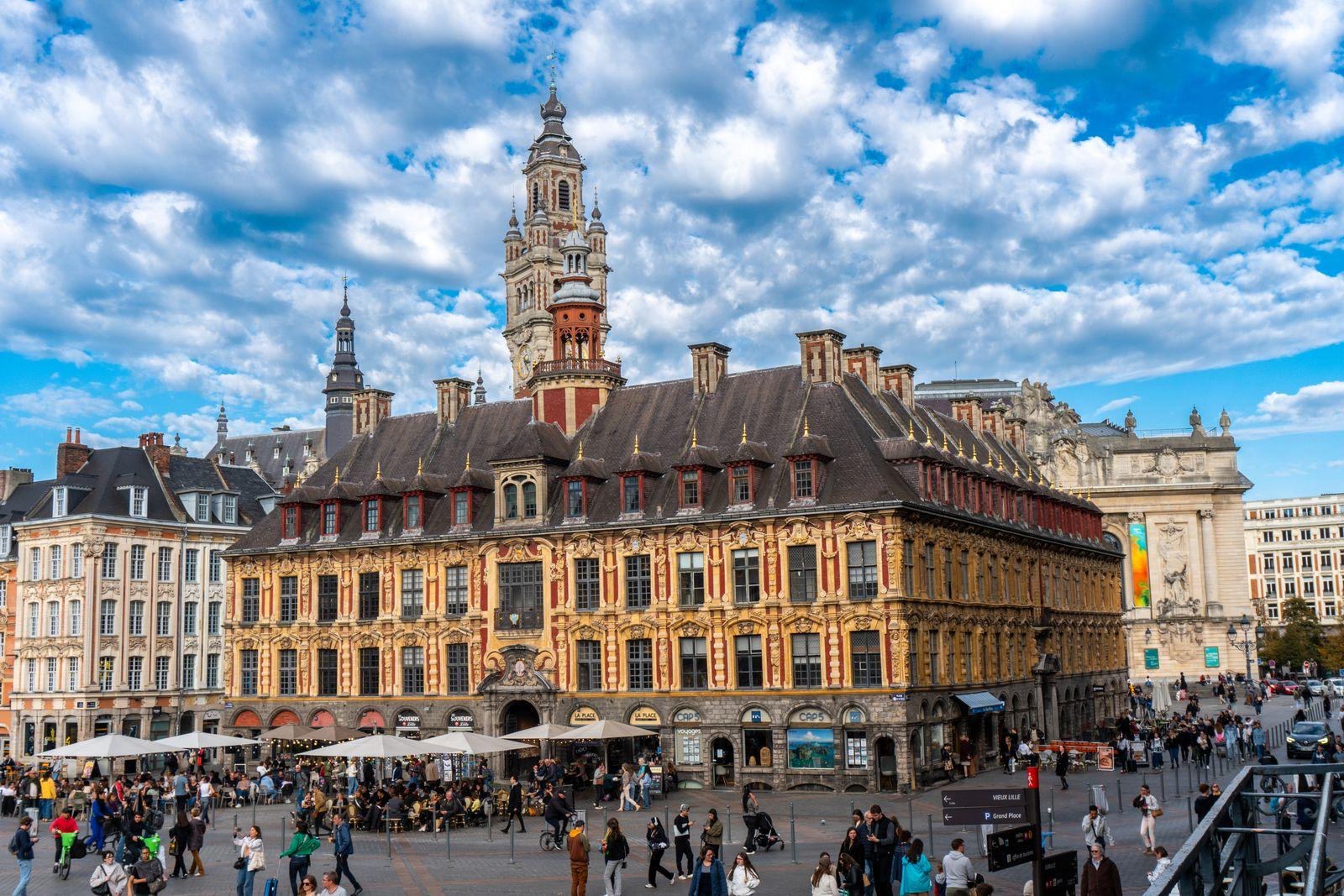
Lille — 9/10
With nearly 600 stations, nearly 3,500 connectors and an average price of €0.47/kWh, Lille takes the lead in the ranking. Here, charging fits naturally into your journey.
Whether you arrive via Lille-Flandres or Lille-Europe stations, whether you park near Euralille or in the historic center, you will easily find a solution without having to change your itinerary. Take the opportunity to discover Old Lille, have a coffee on the Grand’Place or stroll through the shopping streets while your vehicle recharges.
Lille also continues to invest in its network. With the deployment of iléwatt, the European Metropolis of Lille is planning nearly 900 charging points spread over around 300 sites, while the park-and-ride facilities will be largely reinforced by the end of 2026.
Why is Lille first? Because here, you think about your visit before thinking about your recharge.
Toulon — 9/10
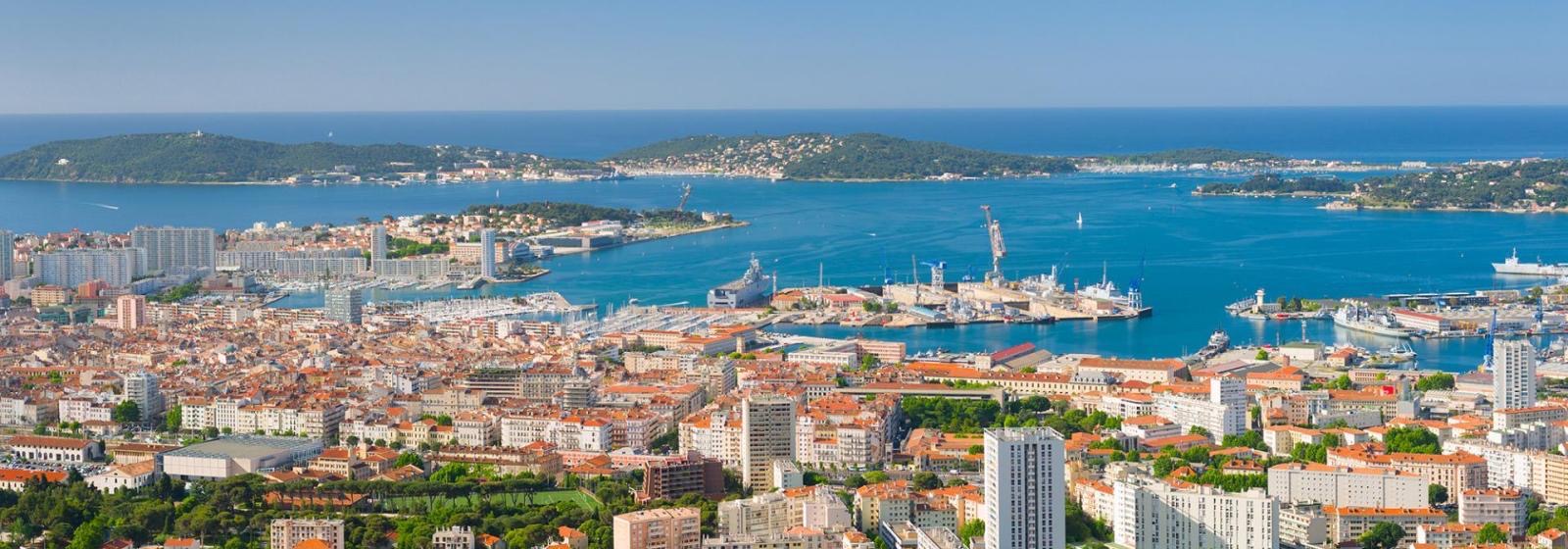
With more than 530 stations, nearly 4,700 connectors and an average price of €0.44/kWh, Toulon confirms that the Côte d'Azur is also becoming a destination of choice for drivers of electric vehicles.
If you are going to Hyères, the beaches of Var or the ferries to Corsica, you can easily recharge before hitting the road again. The stations are distributed around the main car parks in the city center, near the port or major roads.
The metropolis is continuing this dynamic with the installation of new charging stations in several car parks, including the future charging hub at the Zénith-Préfecture car park, set to become one of the largest in the region.
In Toulon, recharging often marks the start of the vacation rather than an imposed stop.
The best cities are those where charging becomes a detail of the trip.
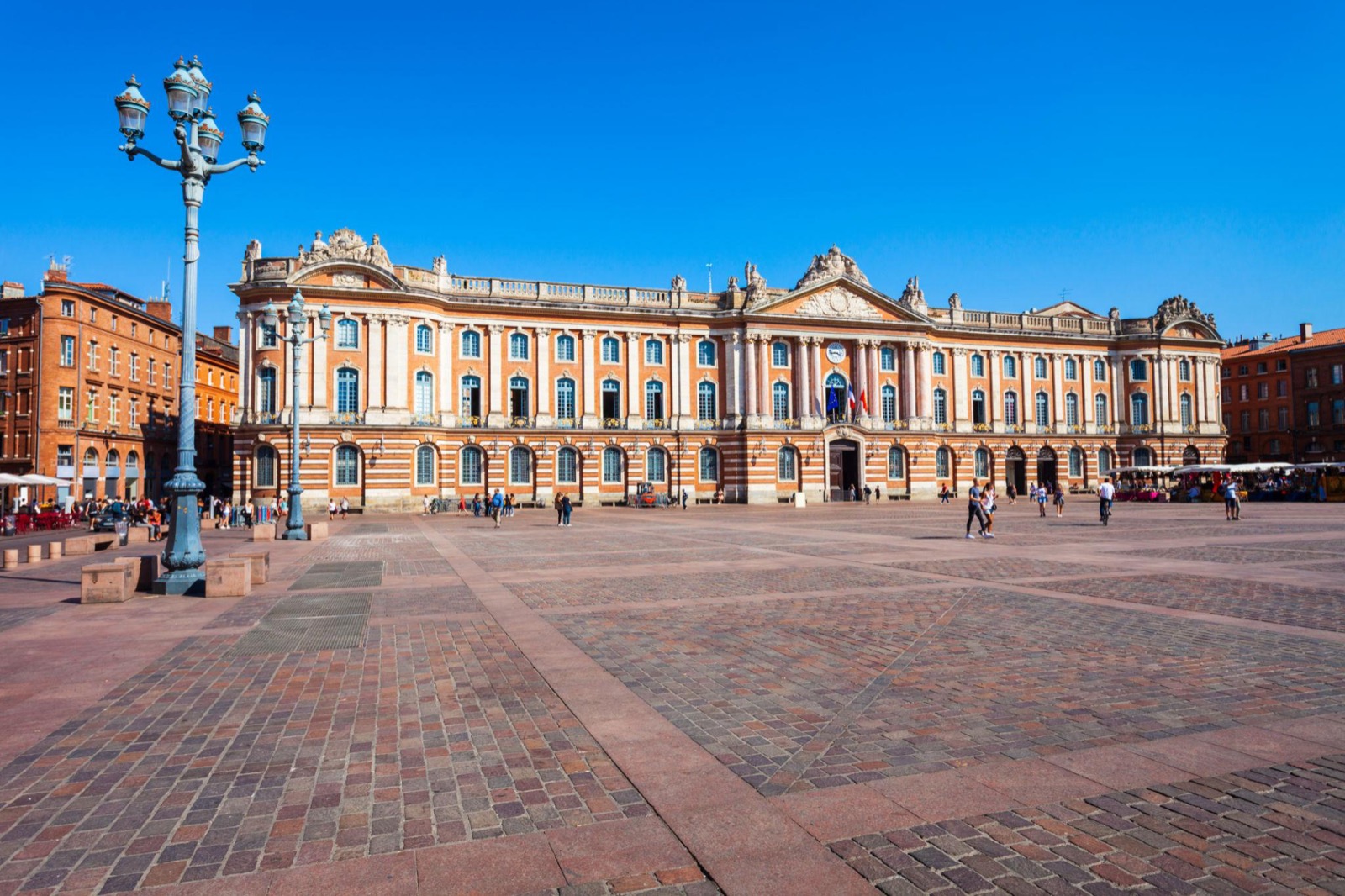
Toulouse — 8/10
With more than 800 stations, more than 5,400 connectors and an average price of €0.44/kWh, Toulouse has one of the largest charging networks in France.
While your vehicle is recharging, take the opportunity to discover the Place du Capitole, stroll along the banks of the Garonne, have lunch at the Victor-Hugo market or visit the Halles de la Cartoucherie. If you are simply passing through, the numerous equipped car parks also allow you to leave your car charged before quickly hitting the road towards Albi, Carcassonne or the Pyrenees.
The metropolis continues to encourage electric mobility. Motorists with 100% electric vehicles benefit from 2.5 hours of free on-street parking each day after registration, while the Toulibéo network continues its development alongside Révéo and the numerous rapid stations deployed across the region.
In Toulouse, you don't look for a charging station: you simply choose where to stop.
Grenoble — 8/10
With nearly 260 stations, more than 1,650 connectors and an average price of €0.48/kWh, Grenoble stands out for having a network that is particularly suited to travelers heading to the Alps.
Before heading to the mountain resorts, Vercors or Chartreuse, take advantage of your time in town to recharge your batteries. A stroll in the historic center, a lunch on the terrace or a stroll along the banks of the Isère are more than enough to fill your recharge time before hitting the road again.
Grenoble also continues to accelerate its transition to electromobility. Since 2025, the Low Emissions Zone has been gradually strengthened and the metropolis continues to develop its public infrastructure while supporting co-owners in the installation of new charging solutions.
In Grenoble, recharging is a natural part of your preparation before heading out to explore the mountains.

Angers — 8/10
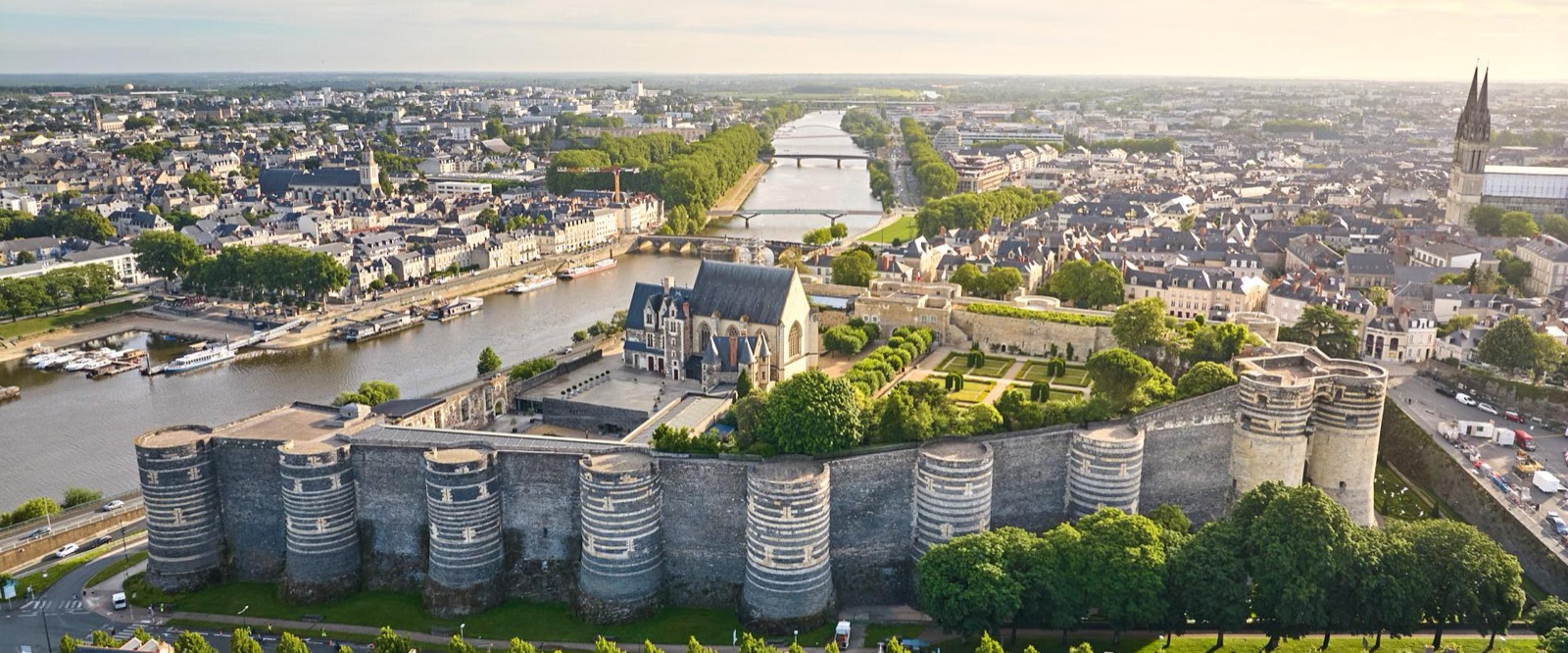
With more than 130 stations, more than 500 connectors and an average price of €0.49/kWh, Angers proves that a network does not need to be huge to provide an excellent charging experience.
Whether you are passing through the Loire castles route or coming to spend a weekend in the Angevin capital, you can easily leave your vehicle charged while you visit the Angers castle, stroll through the streets of the historic center or have lunch on a terrace on the Place du Ralliement.
The city continues its investments with the opening of new public stations and confirms its commitment to electric mobility. In 2026, Angers notably hosted a show entirely dedicated to electric automobiles, while several industrial projects linked to the electrification of transport continue to develop in the region.
In Angers, charging is simply integrated into your visit, without ever becoming a constraint.
Bordeaux — 8/10
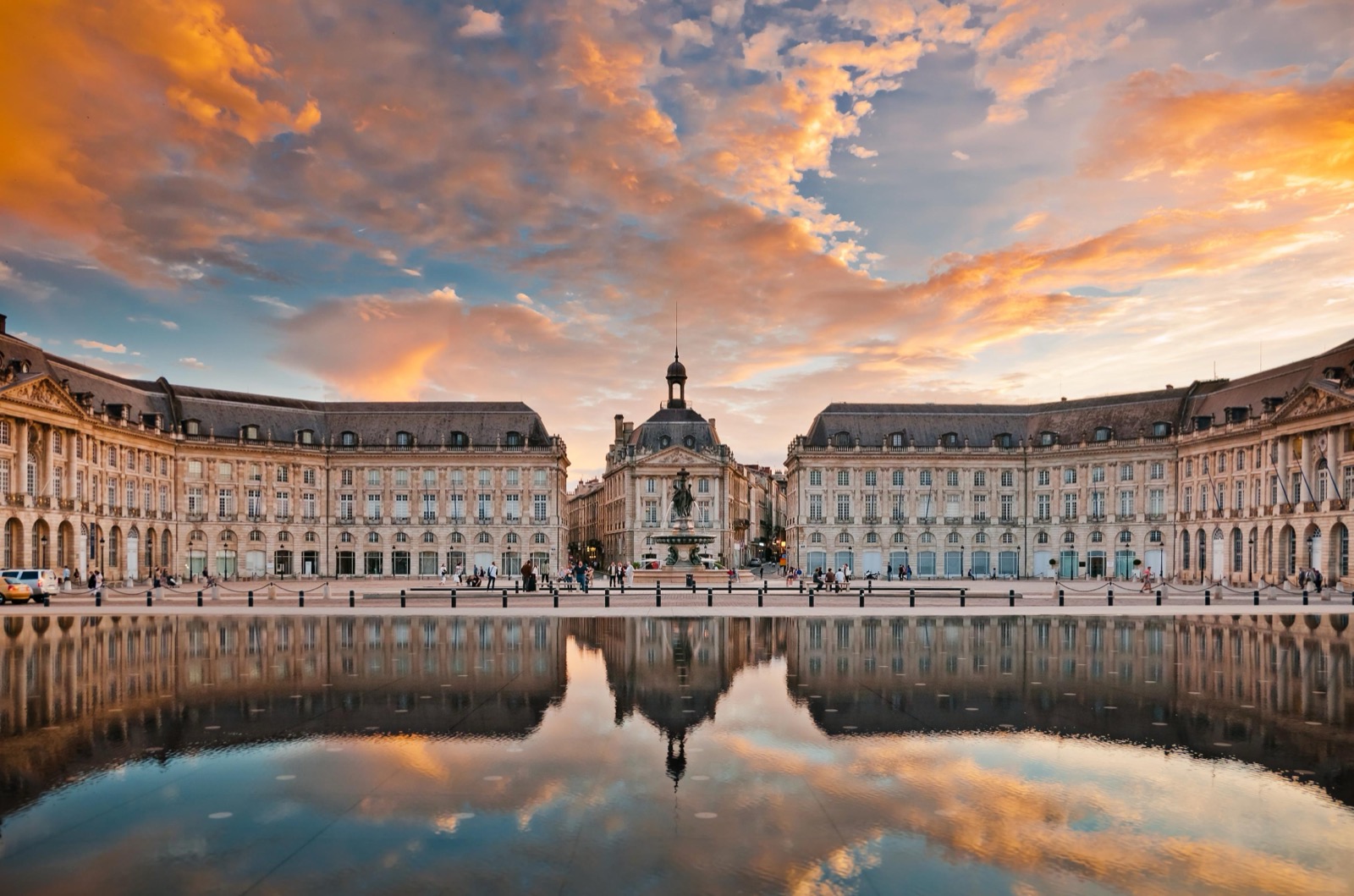
With nearly 760 stations, nearly 16,000 connectors and an average price of €0.48/kWh, Bordeaux has one of the most impressive charging networks in France.
Whether you're heading to the Arcachon Bay, the Atlantic beaches or the Bordeaux vineyards, it's easy to recharge before continuing your journey. During your break, take the opportunity to stroll along the banks of the Garonne, visit the Cité du Vin, discover the historic center listed as a UNESCO world heritage site or have lunch in the Chartrons district.
This leading position can also be explained by the continued investments made to support the strong increase in the number of electric vehicles. Thanks to a particularly dense and well-distributed network throughout the metropolis, Bordeaux limits detours and facilitates long journeys all year round.
In Bordeaux, charging is a natural part of your discovery of the city or at the start of your road trip to the ocean.
Reims — 8/10
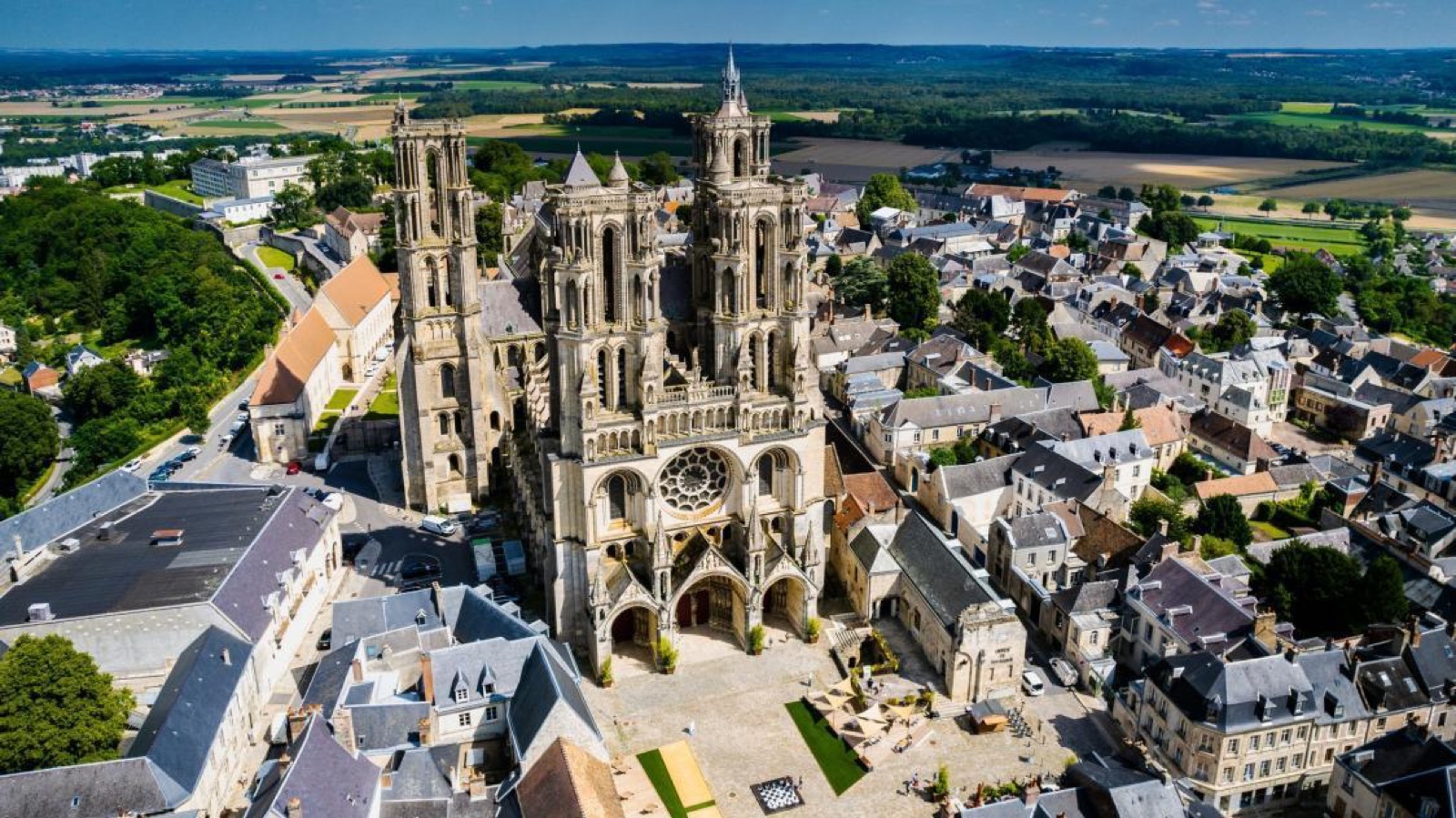
With more than 200 stations, nearly 1,600 connectors and an average price of €0.47/kWh, Reims confirms that it is much more than a simple stopover between Paris and the East of France.
If you're taking a break, take the opportunity to visit the famous Notre-Dame Cathedral, stroll through Place Drouet-d'Erlon or discover one of the many Champagne houses. In around thirty minutes, you will have plenty of time to transform your recharge into a real tourist break.
The metropolis is also continuing to develop its infrastructure in order to support the rise of electric mobility and meet the needs of the many travelers who use the A4 motorway each year.
In Reims, a few more kilometers of range can easily be accompanied by a glass of Champagne.
Rouen — 8/10
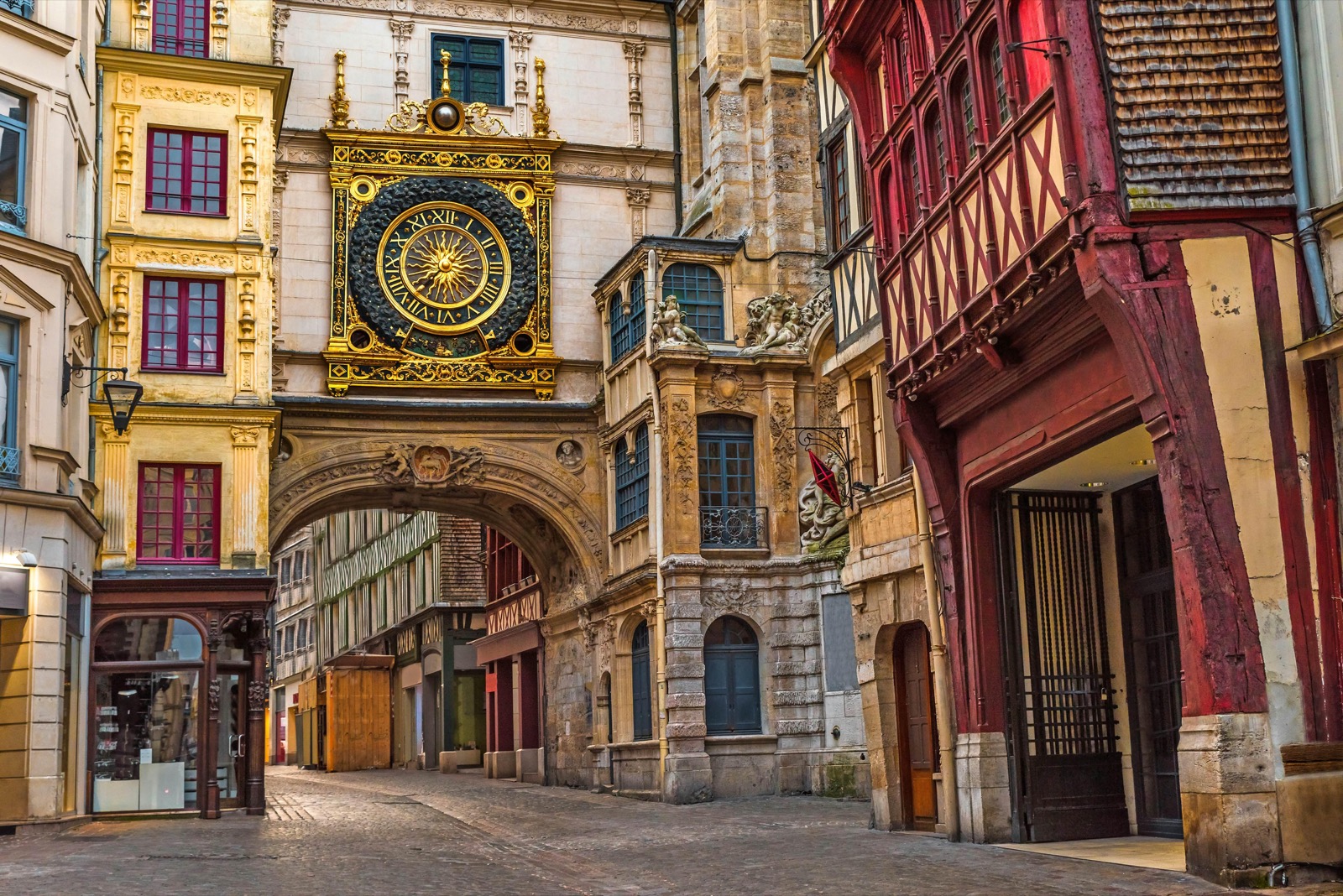
With 270 stations, more than 1,400 connectors and above all an average price of only €0.38/kWh, Rouen stands out for having the lowest charging cost in this Top 10.
Before heading to Étretat, Honfleur or the Normandy beaches, take the time to discover the half-timbered houses of the historic center, the Gros-Horloge or the cathedral that inspired Claude Monet. While your vehicle is recharging, you can fully enjoy the charm of the Normandy capital.
Rouen continues to strengthen its network to support travel between Paris and the coast, making the metropolis a particularly practical stopover for long journeys.
In Rouen, the pleasant surprise is not only to easily find a charging station: it is also to recharge at the best price in the ranking.
Marseille — 8/10
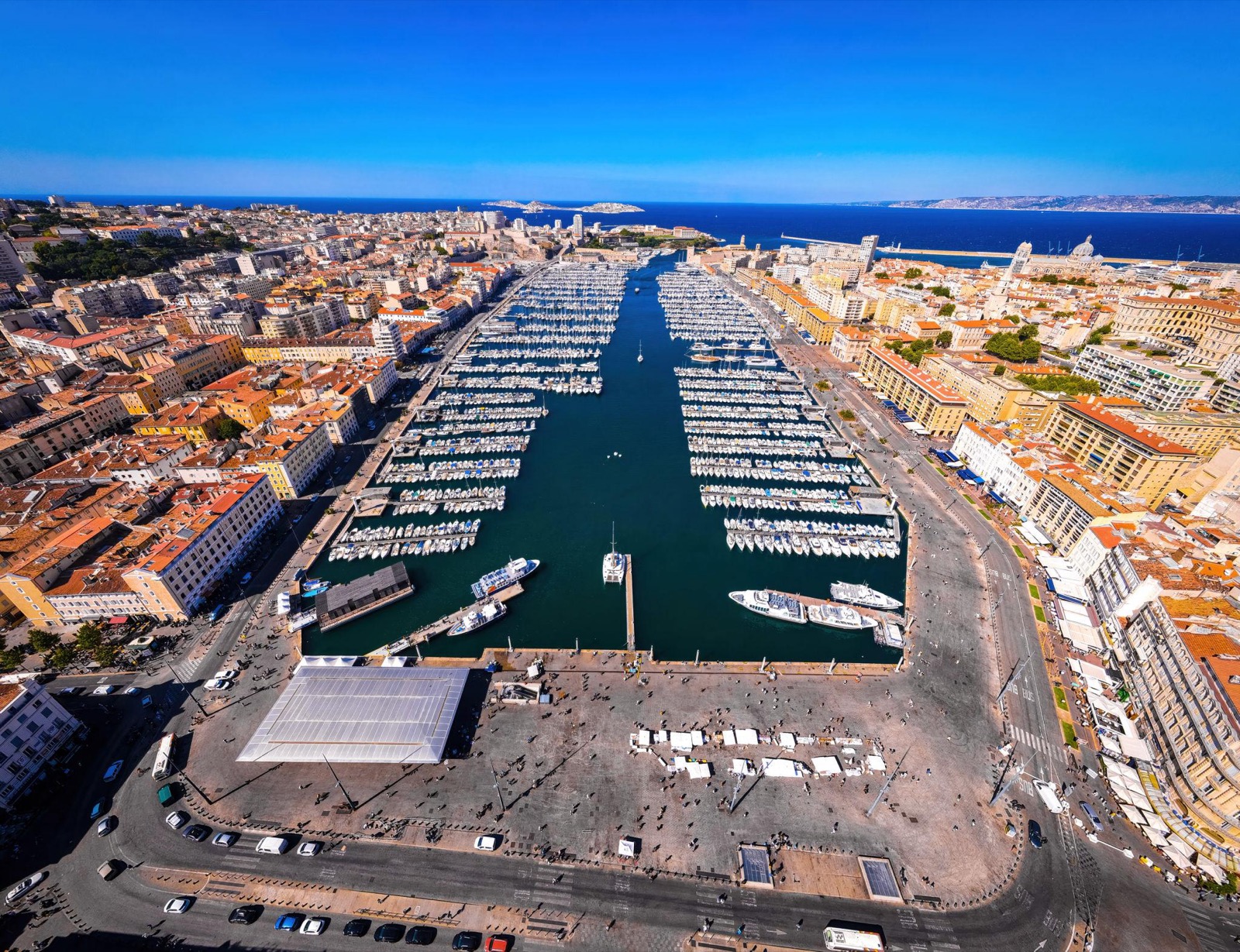
With nearly 500 stations, nearly 3,900 connectors and an average price of €0.46/kWh, Marseille confirms its place among the large metropolises where traveling by electric car is becoming increasingly simple.
Second city in France and gateway to the Mediterranean, it welcomes millions of visitors each year, while continuing to develop its charging infrastructure. While your vehicle is recharging, take the opportunity to stroll around the Old Port, visit the Mucem, climb to Notre-Dame-de-la-Garde or have lunch facing the sea.
In recent years, the metropolis has accelerated the deployment of new public charging stations in order to support the growth of electric vehicles and meet the growing needs of residents and visitors.
In Marseille, recharging is the ideal opportunity to enjoy one of the most beautiful seafronts in France before hitting the road again.
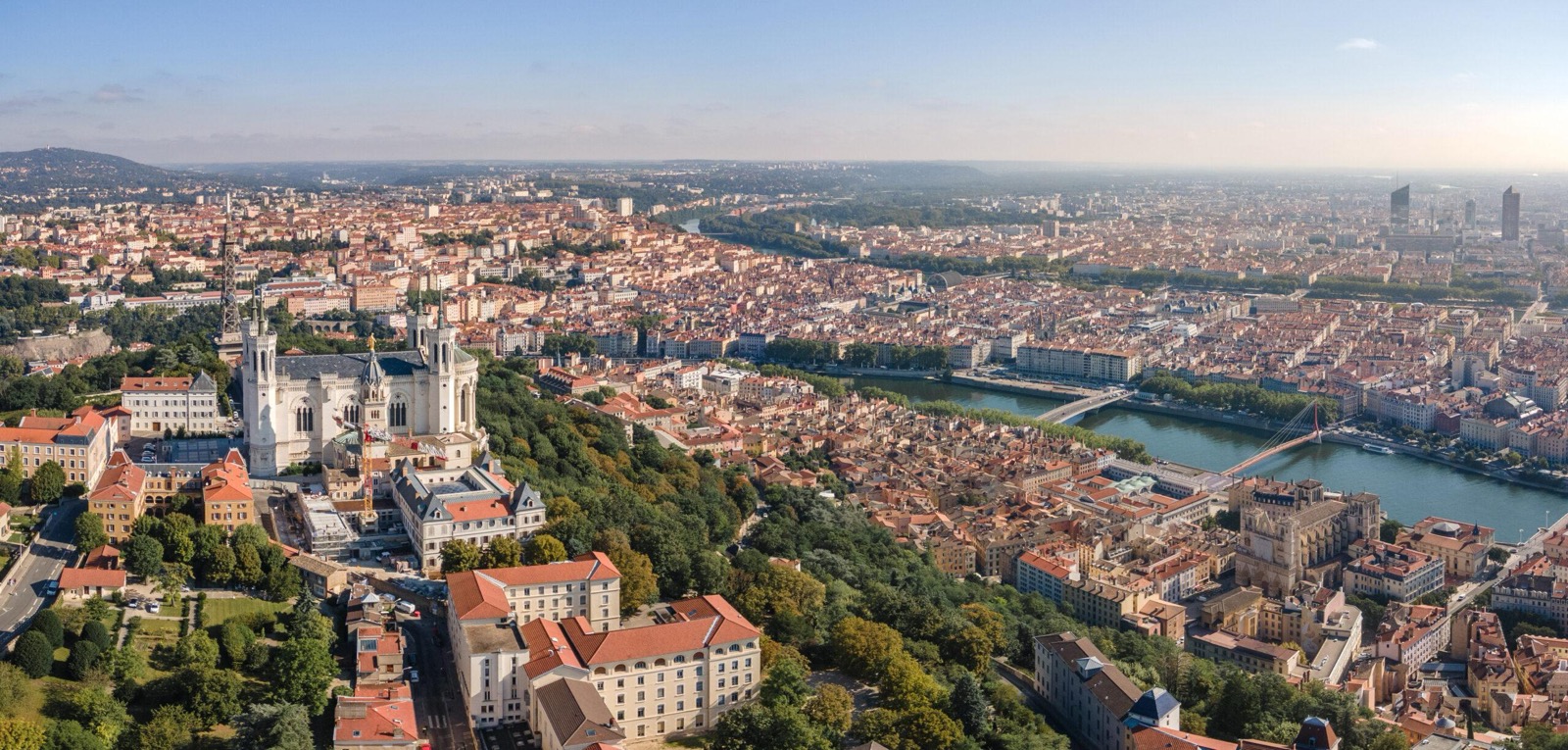
Lyon — 8/10
With more than 650 stations, nearly 3,800 connectors and an average price of €0.46/kWh, Lyon closes this Top 10. A true crossroads between the north and south of France, the metropolis welcomes significant passenger traffic every day, making it a strategic territory for electric mobility.
Whether you are passing through or staying a few days, take advantage of your recharge to discover Old Lyon, the banks of the Rhône, Place Bellecour or one of the famous Lyonnais corks. Thanks to a well-distributed network, it is easy to leave your vehicle charging while fully enjoying the city.
Lyon continues to invest in the development of its infrastructure in order to support the electrification of the vehicle fleet. This dynamic, supported by the Lyon Metropolis, contributes to strengthening the charging offer in residential areas, public car parks and main traffic routes.
In Lyon, charging fits naturally into your stopover, whether you are crossing France or taking the time to discover the capital of gastronomy.
A recharge that finally becomes a reflex
This ranking shows that the quality of a destination no longer depends solely on the number of stations installed. What makes the difference today is the ability of a city to integrate charging into your daily life.
An easy-to-find station, a reasonable price, available connectors and the possibility of enjoying your break without wasting time make each journey more peaceful.
With the Bornage Recharge Score, our objective is precisely to help you identify the destinations where traveling by electric vehicle is the easiest. And as networks continue to grow across France, this experience will only get better.
So, where will you go for your next weekend in an electric car?
If this article has made you want to take a trip to one of these destinations, download the Bornage App to organize your recharge on site using the Ideal Charging Station.
Bornage Recharge Score ranking for July 2026: the major French metropolises where electric charging is best integrated into travel.
Search for your destination and easily find the best charging stations.